

Written by Fatih Tosunoğlu
Understanding Compound Extreme Events: An STSM Experience
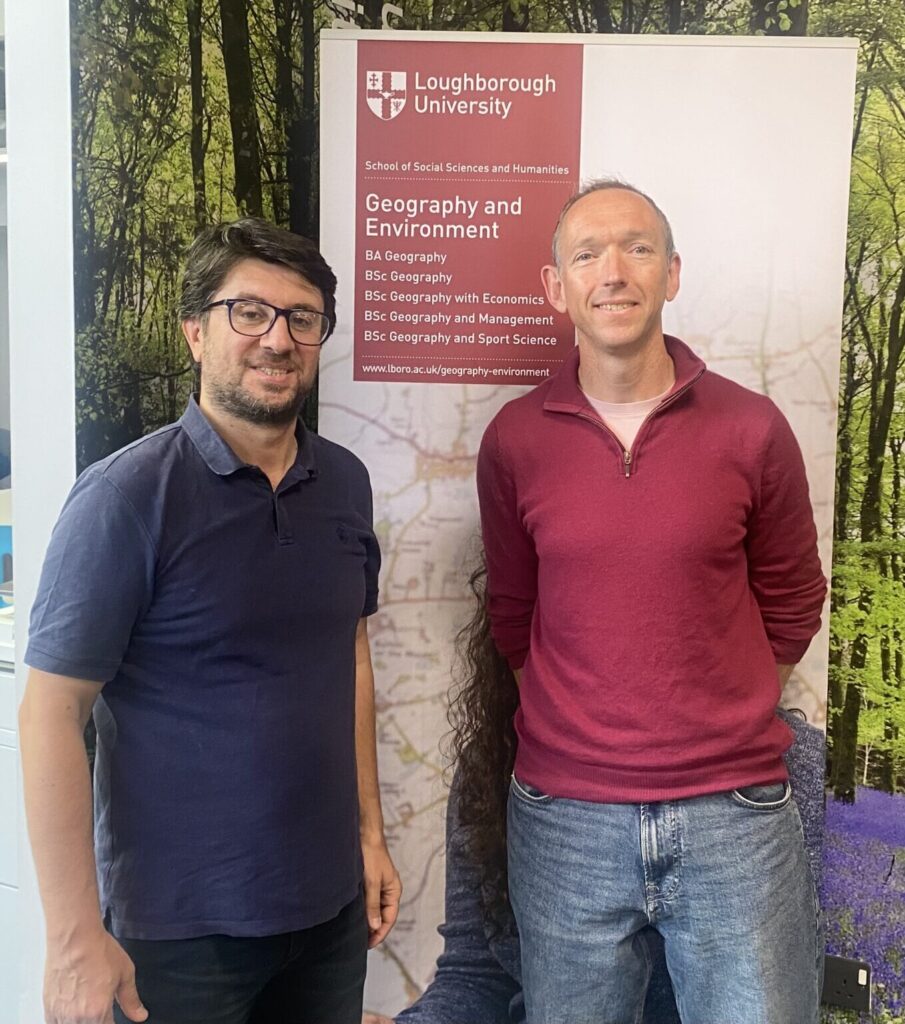
Extreme weather events do not always occur independently. When two or more hazards occur simultaneously or in close succession, their combined impacts can be substantially more severe. Understanding these compound extreme events is therefore becoming increasingly important for improving climate risk assessment and helping societies prepare for future hazards. As part of my Short-Term Scientific Mission (STSM), I had the opportunity to work with Dr. John Hillier in Loughborough University, the UK to explore how compound hydro-meteorological extremes can be better understood and modelled in both Türkiye and the UK. The visit provided an excellent opportunity to exchange knowledge, develop new research ideas, and strengthen collaboration within the ANTICIPATE project.
Scientific objectives and activities
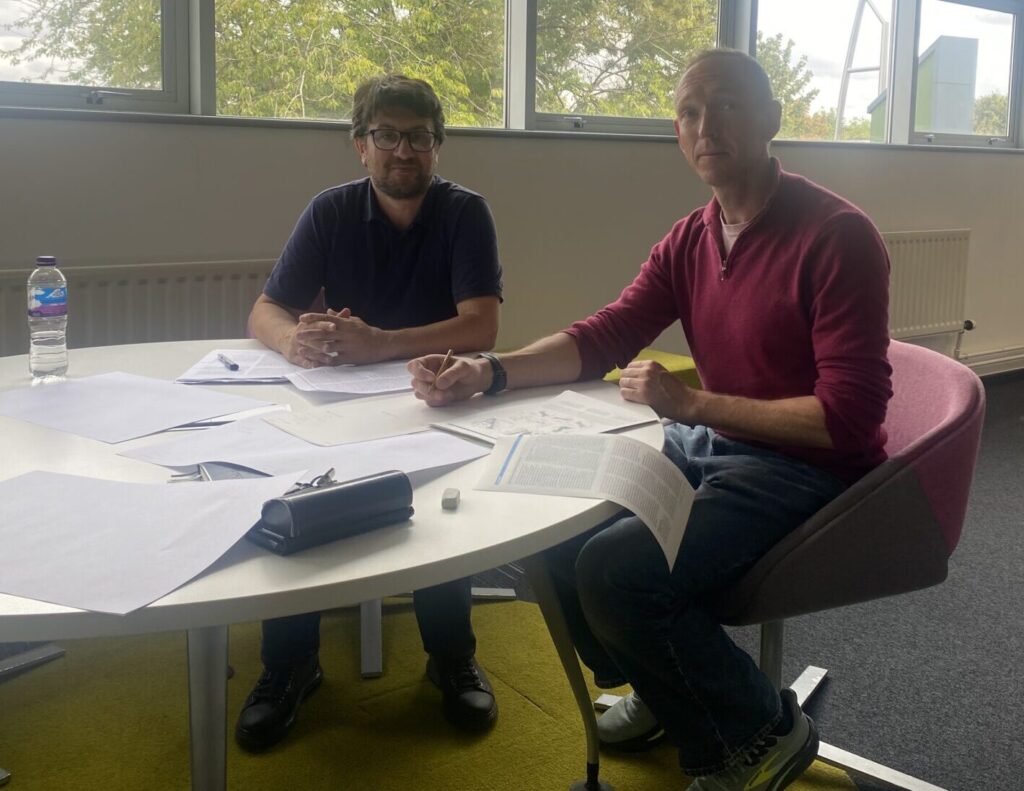
The main objective of my visit was to investigate statistical approaches that can help us understand how different extreme weather variables occur together and how their relationships may change over time. Rather than studying hazards separately, the work focused on their joint behaviour and the factors that may influence their occurrence. During the STSM, I carried out a detailed review of scientific literature on compound extreme events, with particular attention to studies from Türkiye, the UK, and the wider international research community. I also held regular discussions with Dr. Hillier to critically evaluate existing research and identify the most relevant hazards and research gaps. These discussions were particularly valuable because we brought together complementary expertise. My host contributed extensive experience in compound extremes and multi-hazard risk in the UK, while I contributed experience in multivariate statistical and copula-based modelling of extreme events. This exchange helped us move from a broad research objective towards a more focused and practical research plan.
Main achievements
One of the key achievements of the STSM was the identification of extreme wind and precipitation occurring together as a priority compound hazard for further investigation in Türkiye and the UK. We concluded that the extended winter period, from October to March, is particularly relevant for studying these events because of their greater likelihood during this season. We also identified the North Atlantic Oscillation (NAO) as an important climate factor to consider in future analyses. The planned research will investigate whether incorporating the NAO as a covariate in non-stationary models can improve our understanding of temporal changes in compound extreme events. This could help us better identify when and where these hazards are more likely to occur. The future analysis will also examine the potential consequences of compound wind and precipitation extremes for different parts of society. Particular attention will be given to energy infrastructure and demand, transport, urban infrastructure, and emergency management. By identifying regions and cities that may be particularly exposed, the research could provide useful information for improving preparedness and risk management. A second important research direction identified during the visit was the joint occurrence of extreme heat and drought. These hazards can have significant consequences for agriculture, crop production, and food security. Understanding where and when heat and drought occur together could help identify particularly vulnerable agricultural regions and sectors in both countries.
Follow-up activities
The STSM has provided a clear foundation for continued joint research between Türkiye and the UK. As a next step, we plan to develop and apply the selected statistical models (e.g. copulas) to investigate the joint behaviour of extreme wind and precipitation during the October–March period. The role of the NAO and other potential climate and weather-related predictors will also be assessed. Further work will include estimating the likelihood and return periods of compound events and assessing their potential impacts. The results will help us identify areas that may face higher levels of compound climate risk and provide evidence that can support future adaptation and risk-management strategies. The heatwave–drought relationship will also be explored as a complementary research direction, particularly in relation to agricultural impacts and food security.
Contribution to ANTICIPATE
The work carried out during the STSM is strongly aligned with the objectives of the ANTICIPATE project, particularly WP2, by improving the understanding and assessment of compound hazards. The planned modelling and risk assessment activities are also expected to contribute to WP3 by providing further evidence on compound risks and their potential consequences. Importantly, the visit did not represent a major deviation from the initial work plan. Instead, the discussions and literature review helped refine and prioritise the original research objectives. In particular, the focus on wind–precipitation extremes, the October–March season, and the potential role of the NAO emerged as important refinements during the STSM. The identification of heat–drought extremes as a complementary research direction also broadened the potential for future collaboration. Overall, the STSM was a highly valuable scientific and collaborative experience. It strengthened the exchange of expertise between the host and visitor, helped establish a clearer framework for future research, and laid the groundwork for joint work aimed at better understanding compound climate risks in Türkiye and the UK.